Posture and Movement Training
Move more comfortably and confidently with personalized analysis and training designed around your body, your goals, and the activities you love.
Better Movement Starts With a Whole-Body View
At Body Mechanics Physical Therapy, we help identify posture and movement patterns that may be contributing to pain, stiffness, or restricted activity—then teach practical strategies to help you move better.
Posture is an important component of overall musculoskeletal health. Hours at a desk, repetitive work, training habits, injury, or simply the way the body adapts to pain can increase strain on the neck, shoulders, back, hips, and other areas.
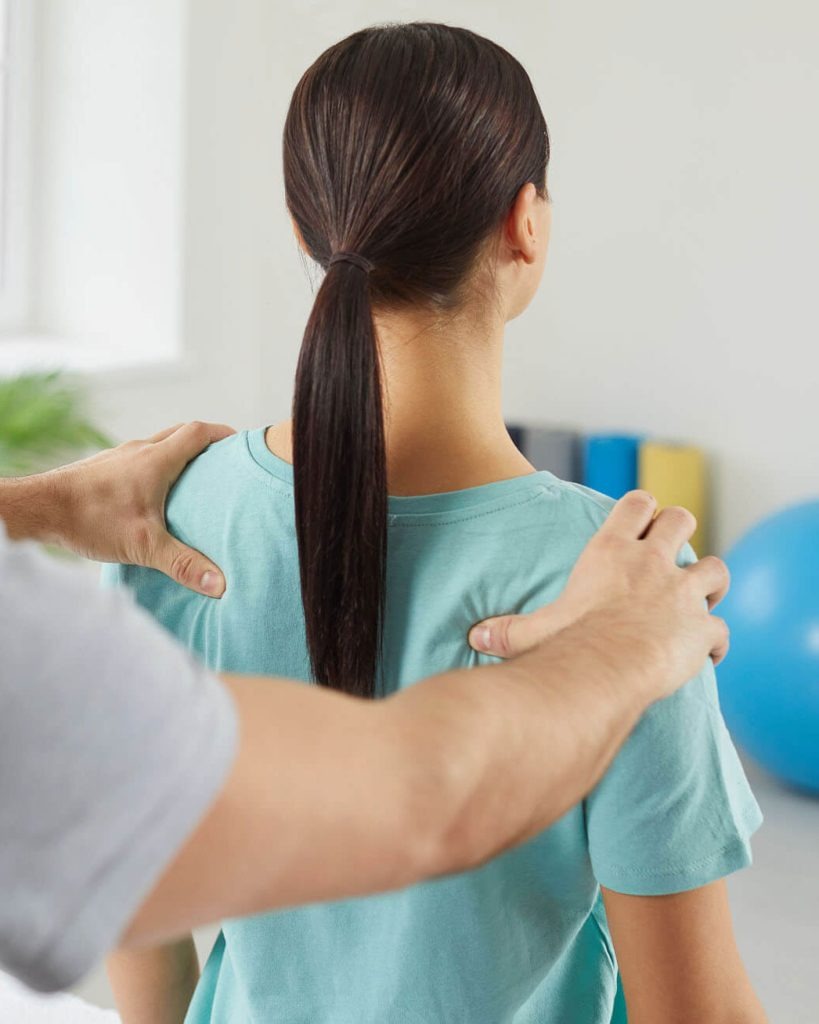
Our physical therapists complete a full-body evaluation of posture and functional movements related to your concerns. Rather than looking only at the painful area, we consider how interrelated body parts may be affecting the way you move. We then combine hands-on treatment, muscle activation, and efficient posture and movement training to help you build lasting change.
Whether you are sitting at work, walking, running, returning to sport, or recovering from an injury, your plan is individualized to help you feel better, move better, and stay active.
1
Assess Your Movement
We begin with a detailed discussion of your symptoms, activity demands, and goals. Your therapist evaluates posture and the functional movements that relate to your issue to identify opportunities for progress.
2
Restore Mobility & Activation
When needed, treatment may include manual soft tissue and joint mobilization to address stiff areas, along with muscle activation to help improve how your body supports efficient movement.
3
Practice Practical Strategies
We educate and train you in optimal posture and movement strategies, self-care measures, and home exercises so you can continue working on strength, coordination, balance, and comfort between visits.
Training for Work, Daily Life, Walking & Running
Good movement is not one fixed position—it is the ability to move with control, comfort, and confidence during the activities that matter to you. We help you apply what you learn in therapy to your real life.
For people who spend long periods seated, we can address positioning that may increase strain and help create options for movement throughout the day. For walkers and runners, we can assess how the pelvis, trunk, shoulder blades, arms, and legs work together. Research cited by our team notes that people with current or past low back pain may show less movement between the pelvis and trunk during walking and running.
Your therapist will help you understand which changes are relevant for you and how to practice them progressively, without generic routines or one-size-fits-all instruction.
What to Expect
Your initial visit is 60 minutes. We start by listening to your story and understanding what you have tried. Then we evaluate the posture and movements connected to your symptoms, use hands-on assessment and treatment as appropriate, and begin teaching strategies you can use right away.
You will always receive home exercises to supplement your care and help you carry progress beyond the clinic.
A Helpful Starting Point for Desk Posture
Ideal positioning can include ears stacked over the shoulders, shoulders over the trunk, hips flexed to 90 degrees, and feet flat on the floor. These are useful reference points—not rigid rules. Your physical therapist can help you find comfortable, appropriate options for your own body and work setup.
Frequent movement breaks can also support mobility, circulation, comfort, and posture during a long day of sitting.
Care That Supports Better Movement
Posture and movement training often works alongside other individualized physical therapy services, depending on your evaluation and goals.
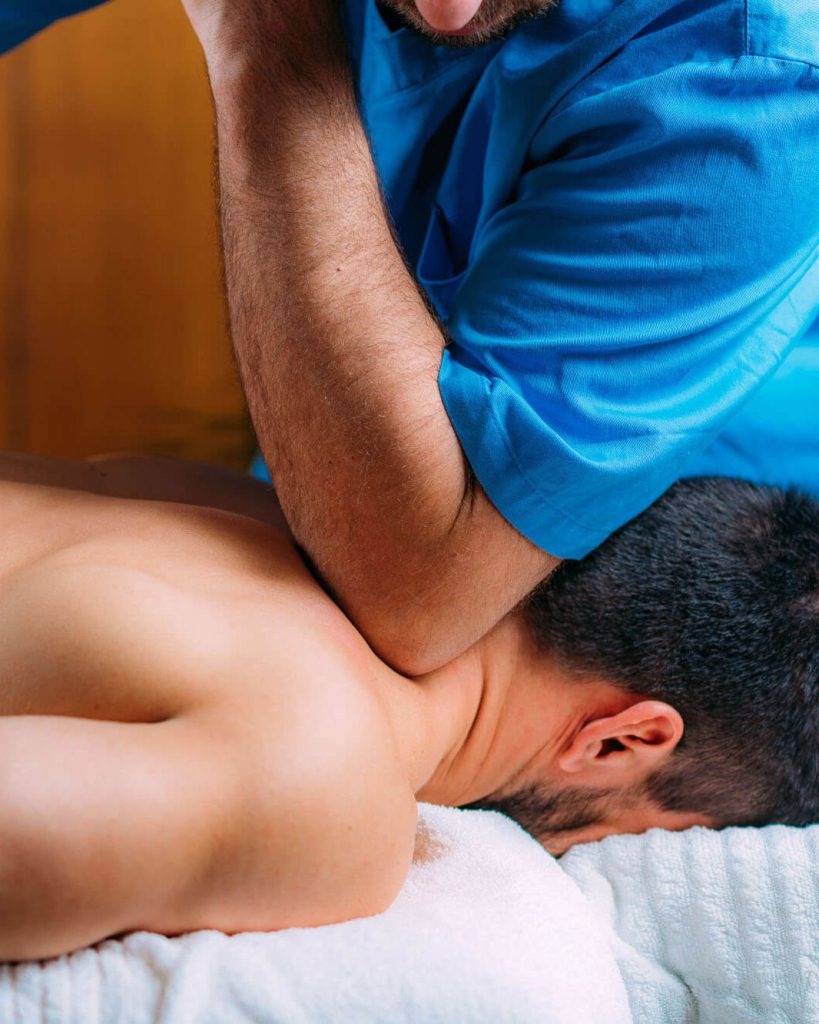
Manual Therapy & Mobilization
Hands-on techniques such as soft tissue massage, joint mobilization, and myofascial release can help alleviate pain, improve mobility, and restore function.
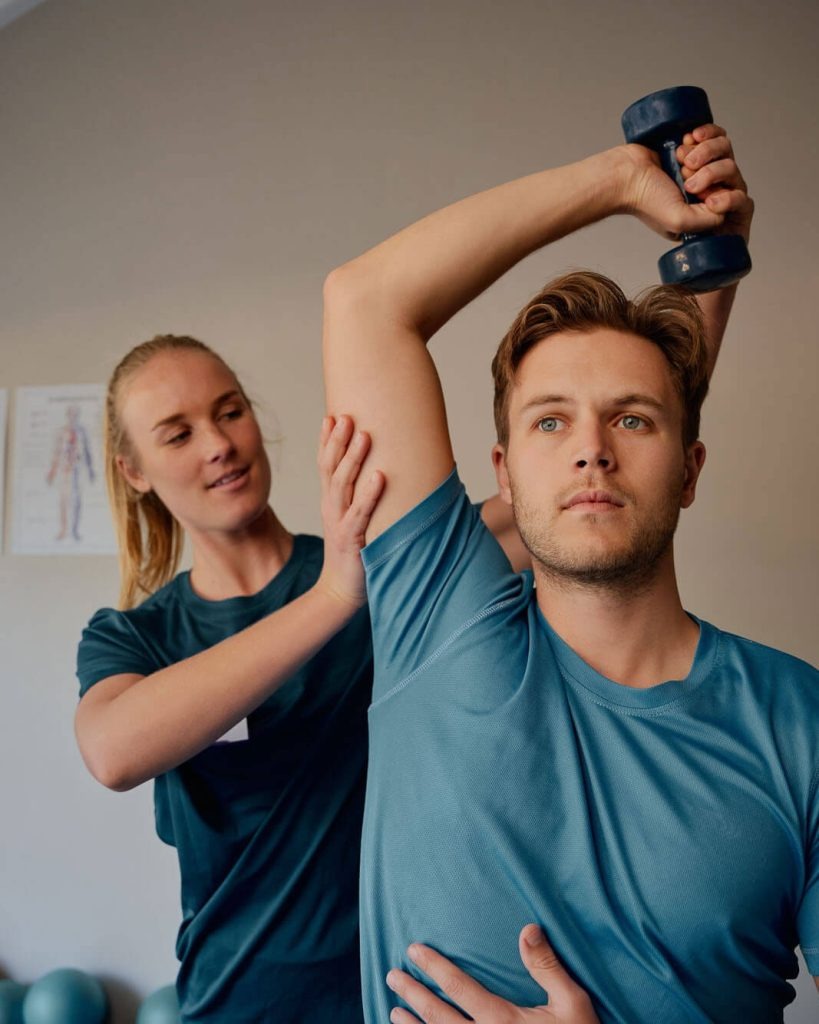
Home Exercise Programs
Simple, impactful exercises help you continue your recovery and maintain progress between appointments.
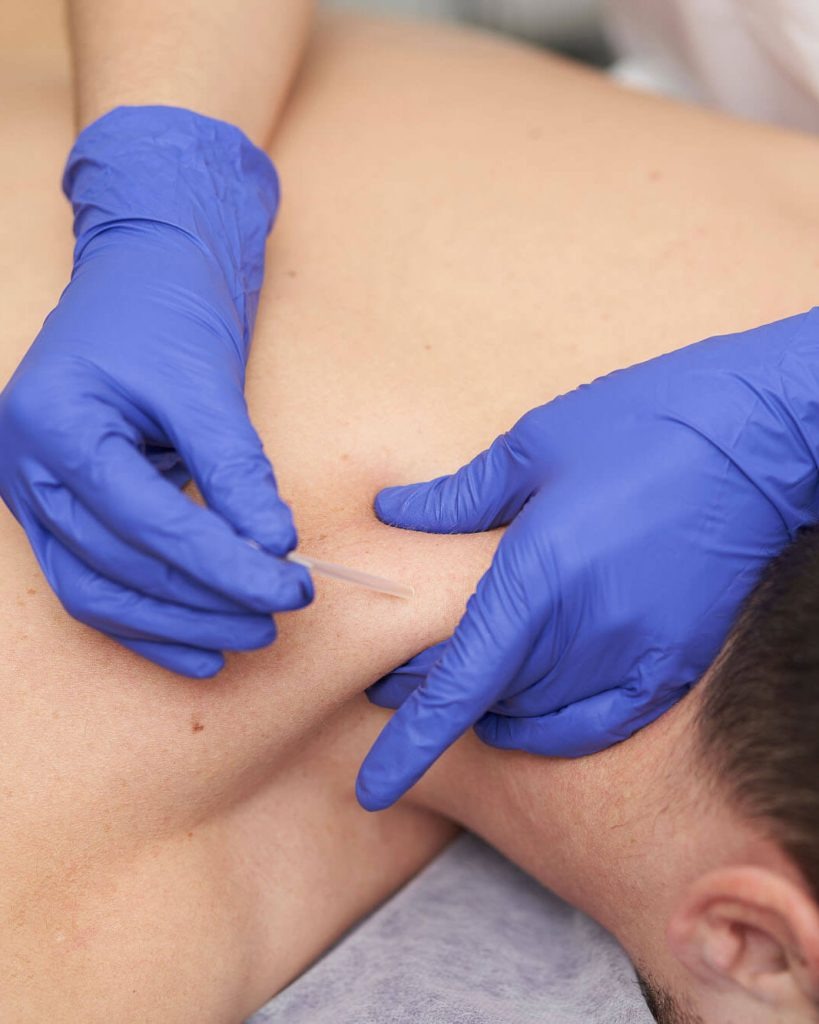
Trigger Point Dry Needling
When appropriate, dry needling may help relax tight muscles, reduce pain, and improve movement and function.